Spotting the warning sign early
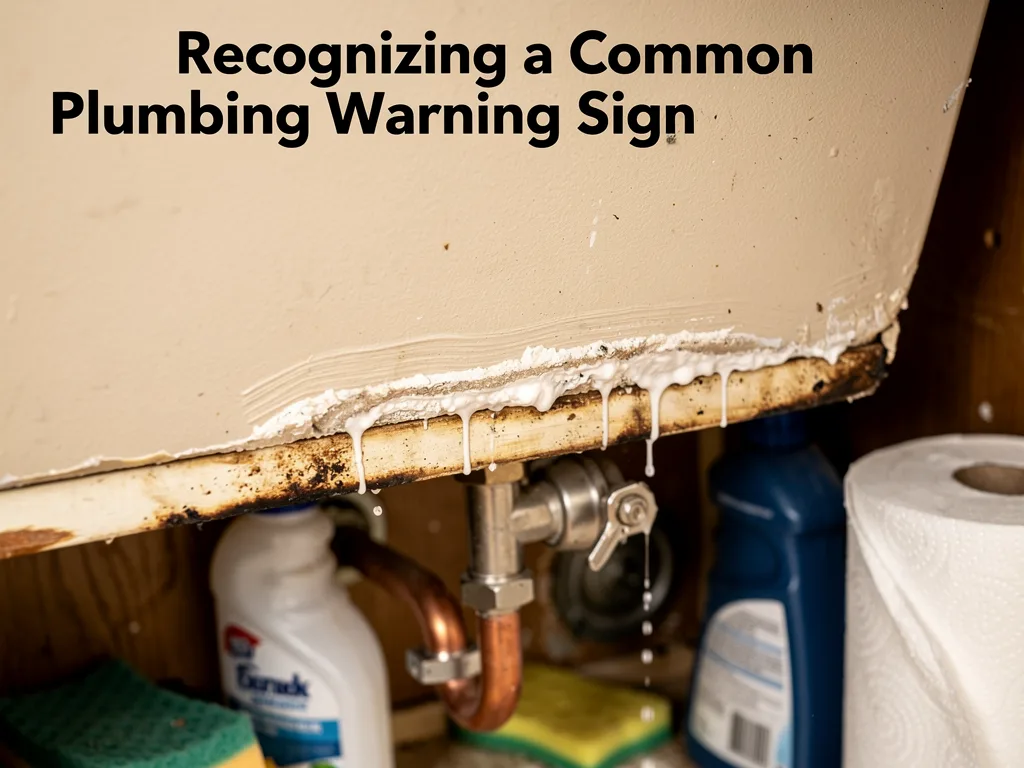
In most Auburn homes, a telltale sign of trouble is water behavior that doesn’t fit the norm. A faucet that drips after you shut it off, a toilet that runs intermittently, or a patch of damp under the sink are red flags. When a plumber in Auburn visits, we look for patterns, not one-off quirks. That pattern can point to worn seals, a corroded valve, or mineral buildup that slows water flow.
Another common signal is pressure changes. If your shower suddenly changes temperature or you hear banging in the pipes when you turn on a faucet, that’s a sign something isn’t right. Such symptoms don’t always mean a full replacement is needed, but they do merit a careful check from a trained plumber who knows Auburn’s water quality and pipe material histories.
Noticeable moisture on walls, ceilings, or floors is also a red flag. It can indicate a leak somewhere behind the scenes. In Auburn, where aging homes are common, a small leak can quietly drag on and show up as higher utility bills. Our crew at Auburn Plumbing Pros will trace the source, confirm the issue, and map out a plan that fits your home and budget.
What to do when you notice a sign
Document what you see and hear. Note the time, the fixture involved, and how long the issue lasts. If you can safely access the shutoff valve, turn water off to the affected area to minimize damage while you wait for a plumber. Then give us a call. Our team in Auburn is used to quick turnarounds and practical fixes that respect your home and neighborhood timing.
Don’t ignore a minor sign hoping it will go away. Small issues grow teeth if left alone. We approach every call with a careful, no-pressure assessment. The goal is to fix what’s needed, not to upsell. Auburn Plumbing Pros keeps solutions simple and based on the actual condition of your system.
Common causes we see in Auburn
Mineral buildup in lines, worn faucet seals, and aging supply lines are frequent culprits in homes around Auburn. In older houses, galvanized piping can corrode, leading to reduced flow and odd noises. A trained plumber will test water pressure, inspect joints, and check for hidden leaks behind walls or under floors. The fix often involves replacing specific components rather than a full overhaul.
We tailor our approach to your home’s layout and your priorities. If you’re on a tight schedule, we can plan a staged repair to minimize disruption. If you prefer to wait a bit, we’ll walk you through the risk and the options so you can decide with confidence.
Quick tips you can use now
- Know where your main shutoff valve is and how to operate it safely.
- Keep an eye on the water meter for unusual movement when no fixtures are running.
- Record any recurring noises or damp patches and share them with our team during the visit.